
 Publish:2026-06-05
 Source:ReedBiotech
 Views:674
Good morning or afternoon, everyone. Glancing out at river views or bustling street traffic, do you feel anxious over last night’s insomnia or struggling to get out of bed this morning? Worry not, a landmark new research published in Nature may resolve your sleep-related concerns. Released on May 13, 2026, the top-tier international journal Nature featured pivotal findings exploring the link between sleep and biological aging from a large-scale population study spanning hundreds of thousands of participants. According to the research, maintaining longevity and slowing biological aging hinges on keeping sleep within a specific optimal window.
1.Young Adults’ Sleep Anxiety: How Much Sleep Is Truly Enough?
Amid today’s fast-paced lifestyle, many people fall into a sleep dilemma: staying up late out of revenge on weekdays yet oversleeping to catch up on rest during weekends. Led by the MULTI Consortium, the research leverages data from the UK Biobank to develop the world’s first-ever biological aging mapping tied to sleep patterns.
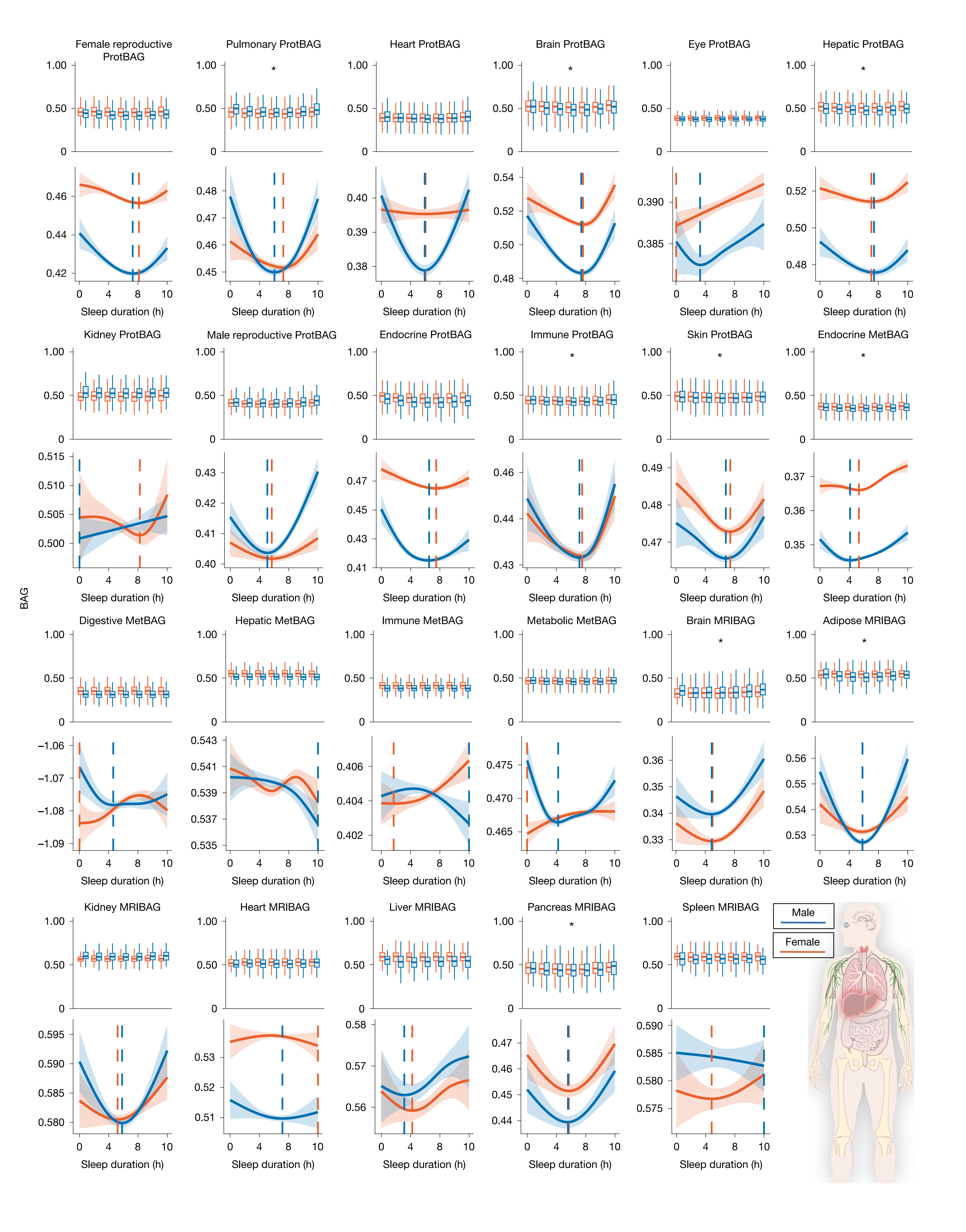
After analyzing 23 distinct biological aging clocks covering organs including the brain, heart, liver and immune system, researchers confirmed a U-shaped correlation between sleep length and biological aging.
Simply put, consistently sleeping fewer than six hours or more than eight hours accelerates bodily aging, while the intermediate sleep span serves as the key to anti-aging and longer lifespan.
2.The Optimal Sleep Sweet Spot: Seven Hours as the Critical Cutoff
Research data has defined the exact sweet spot for slowing biological aging, with slight gender discrepancies in recommended sleep hours:
- Females: The anti-aging optimal range falls between 6.5 and 7.8 hours nightly.
- Males: The anti-aging optimal range falls between 6.4 and 7.7 hours nightly.
For most adult populations, 6.5 to 7.8 hours of nightly sleep best preserves youthful function across bodily organs. Sleep falling below six hours or exceeding eight hours triggers accelerated biological aging.
3.Health Risks of Straying From the Optimal Sleep Window
Beyond biological marker analysis, the study tracked long-term illness and mortality risks, revealing stark health consequences from irregular sleep:
- Sharply elevated all-cause mortality risk
Compared with individuals maintaining regular 6–8 hour sleep:
Short sleep (under 6 hours per night): 50% higher risk of all-cause mortality.
Excessive sleep (over 8 hours per night): 40% higher risk of all-cause mortality - Markedly increased risks of chronic illnesses
Both insufficient and excessive sleep correlate with widespread systemic disorders:
- Short sleepers (<6 hours): Higher susceptibility to ischemic heart disease, type 2 diabetes, hypertension, asthma and anxiety disorders, as the body remains under persistent physiological stress.
- Long sleepers (>8 hours): Despite seeming fully rested, they face stronger genetic links to neurological illnesses such as depression and schizophrenia, alongside hidden metabolic and immune system dysfunction.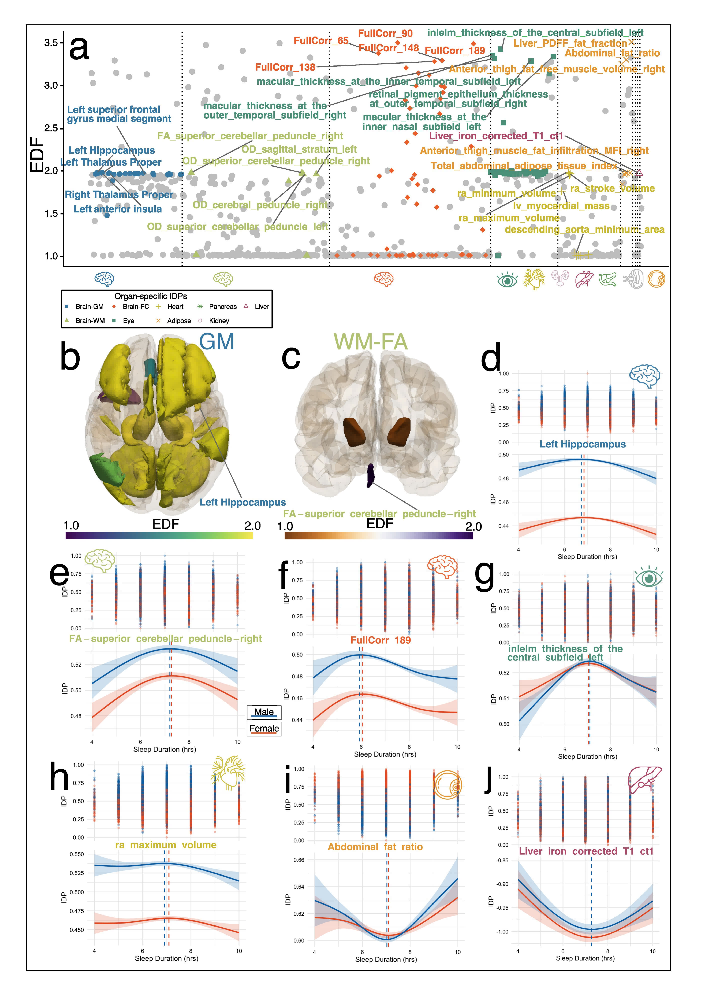
4.Why Oversleeping Is Closely Linked to Depression: Biological Mechanisms Uncovered
A standout finding of the paper differentiates the divergent biological pathways through which short and long sleep trigger late-life depression (LLD):
- Short sleep directly impacts brain physiology: Sleep deprivation induces acute physical stress, overactivating the sympathetic nervous system and triggering systemic inflammation, which rapidly disrupts emotional regulation and fuels irritability and anxiety.
- Excessive sleep is often a symptom rather than a root cause: Oversleeping develops indirectly, frequently acting as a warning sign of underlying biological deterioration including neurodegeneration and disrupted energy metabolism in the brain and adipose tissue. The body attempts to compensate for organic damage via extended sleep, yet this compensatory mechanism backfires and exacerbates depressive symptoms.
5.Practical Sleep Guidelines for Young Adults
Based on the 2026 latest Nature research findings, actionable sleep advice is summarized below:
1. Stick to two critical cutoffs: Avoid chronic sleep shorter than six hours on workdays and refrain from sleeping over eight hours on weekends to prevent circadian rhythm disruption.
2. Pay attention to bodily warning signs: Constant daytime fatigue despite long rest is not mere laziness; it may signal incipient aging of vital organs such as the heart, liver and immune system.
3. Customize sleep schedule: Adjust bedtime to land within the 6.5–7.8 hour optimal bracket and identify your personal sleep duration that keeps you energetic all day long.
Sleep quality matters more than quantity—neither chronic sleep deprivation nor excessive slumber benefits health. This summer, may all young adults enjoy restorative high-quality sleep to enable full bodily repair overnight.
Reference:The MULTI Consortium et al. Sleep chart of biological ageing clocks in middle and late life. Nature (2026). DOI: 10.1038/s41586-026-10524-5